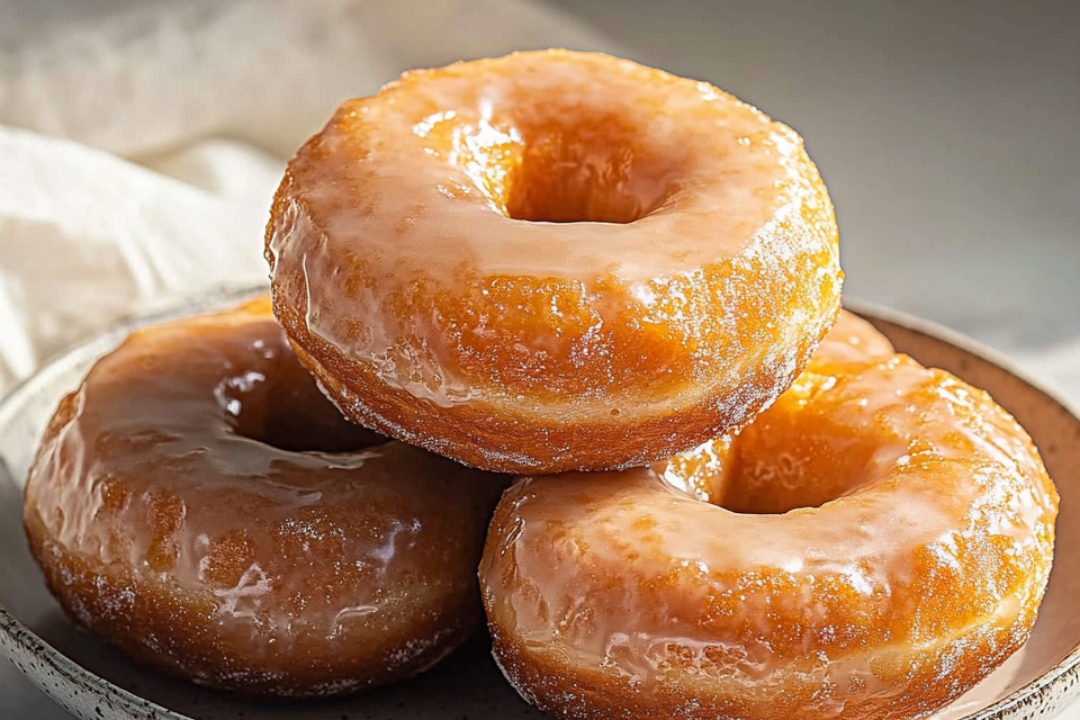
There's an undeniable magic in a perfectly crafted donut – especially the kind that harks back to simpler times. The old-fashioned glazed cake donut isn't just a pastry; it's a warm embrace of nostalgia, a sweet memory waiting to be made. With its signature craggy edges, delicate cakey interior, and a shimmering, sweet glaze, it embodies the ultimate bakery comfort. But what truly sets these beauties apart and allows them to capture that extra layer of sugary goodness? It’s a secret technique that promises not just a donut, but an experience – a secret to achieving that irresistible craggy glaze that holds flavor in every glorious bite.
Imagine waking up to the comforting aroma of warm, freshly made donuts wafting through your home. This isn't just a fantasy; it's an achievable reality. Forget the fleeting joy of store-bought versions; the satisfaction of creating these Homemade Old-Fashioned Glazed Cake Donuts: Bakery Comfort right in your own kitchen is unparalleled. From the golden-brown exterior to the tender, slightly crumbly interior, each bite offers a symphony of texture and classic flavors like nutmeg, vanilla, and the subtle tang of buttermilk. These are the donuts that elevate your morning coffee, transform a brunch, and create cherished family memories.
The Undeniable Allure of the Old-Fashioned Glazed Cake Donut
What makes an old-fashioned glazed cake donut such a beloved classic? It's a harmonious blend of simple ingredients and time-honored techniques that results in a truly distinctive treat. Unlike their yeast-risen counterparts, which are airy and chewy, cake donuts derive their lift from chemical leavening agents such as baking powder and baking soda. This gives them a denser, more tender crumb that's reminiscent of a delicate cake, yet still delightfully light.
The flavor profile is intrinsically comforting, often featuring warm spices like nutmeg and vanilla, complemented by the subtle tang and moistness that buttermilk imparts. These ingredients don't just add flavor; they contribute to the donut's characteristic "bakery taste" that is universally adored. When fried to a perfect golden hue, the exterior develops a delicate crispness that gives way to that tender, slightly crumbly interior, making it an irresistible contrast of textures. Served warm, perhaps with a steaming cup of coffee, these donuts aren't just food; they're an experience, a moment of pure, unadulterated pleasure that evokes fond memories and creates new ones.
Unlocking the Craggy Glaze: The Secret to Perfection
The hallmark of a truly authentic old-fashioned glazed cake donut isn't just its tender crumb or classic flavor – it's that beautifully irregular, craggy exterior that so perfectly holds its sweet, glistening glaze. Many home bakers wonder how to achieve this signature look, often settling for smoother, less textured surfaces. The secret, however, is surprisingly simple and comes from a time-tested technique shared by seasoned bakers:
The key lies in making small, triangular notches or incisions around the perimeter of the donut dough before it hits the hot oil. Imagine cutting tiny "V" shapes into the edge of your donut circles – typically 3-4 evenly spaced cuts for a standard-sized donut. As the donut fries, these small incisions expand and distort, creating an uneven, textured surface. This unevenness is precisely what allows the glaze to pool and adhere in a more substantial and visually appealing way, resulting in those delectable craggy edges that trap extra sweetness in every bite. Without these crucial cuts, the donut often fries with a smoother, less interesting surface, making it harder for the glaze to cling as effectively.
Beyond the notches, other factors contribute to that perfect craggy texture. Ensuring your dough is sufficiently chilled before cutting and frying helps it maintain its shape and texture in the hot oil. Furthermore, maintaining the correct oil temperature (typically around 350-375°F or 175-190°C) is vital. If the oil is too cool, the donuts will absorb too much oil and become greasy, losing their crispness. If it's too hot, they'll brown too quickly on the outside, leaving the inside raw. A consistent temperature ensures even cooking and promotes the development of that desirable exterior. Finally, the glaze itself plays a critical role; a slightly thicker, yet still pourable, consistency ensures it coats the crags effectively, drying to a beautiful, opaque finish.
Beyond the Basics: Essential Ingredients and Techniques for Success
Crafting the perfect old-fashioned glazed cake donut requires attention to detail, starting with the very foundation: your ingredients. Each component plays a vital role in achieving that classic bakery taste and texture.
The Power of Key Ingredients:
- Buttermilk: This isn't just for flavor; buttermilk's acidity reacts with baking soda to provide lift, contributing to a wonderfully tender crumb. It also adds a subtle tang that balances the sweetness of the donut and the glaze, making it incredibly complex and satisfying. For a deeper dive into the essential flavor profile of these classics, check out Nutmeg & Buttermilk: Your Guide to Classic Glazed Cake Donuts.
- Nutmeg and Vanilla: These two aromatic powerhouses are non-negotiable for classic old-fashioned donuts. Freshly grated nutmeg offers a warm, earthy spice that is synonymous with comfort, while vanilla extract enhances the overall sweetness and provides a comforting aromatic backbone.
- Egg Yolks: While whole eggs are often used in baking, a slightly higher ratio of egg yolks in your donut dough contributes significantly to richness, moisture, and a wonderfully tender crumb. The yolks' emulsifying properties also help create a smoother, more cohesive dough.
- Leavening Agents (Baking Soda & Baking Powder): As cake donuts rely on chemical leavening, a precise combination of baking soda and baking powder ensures proper rise and the characteristic cakey texture without relying on yeast.
- Flour: All-purpose flour is typically ideal. Ensure you measure it correctly, preferably by weight, to avoid a dense or dry donut. Over-measuring flour is a common pitfall.
Mastering the Techniques:
Once you have your ingredients, the method makes all the difference:
- Mixing the Dough: The key to a tender cake donut is to avoid overmixing. Mix the wet and dry ingredients just until combined. Overworking the dough develops gluten, leading to tough donuts.
- Chilling is Crucial: After mixing, the dough needs to be thoroughly chilled for at least an hour, or even overnight. This makes the dough much easier to handle, prevents it from sticking excessively, and helps the donuts hold their shape beautifully in the hot oil.
- Cutting and Notching: Use a donut cutter to achieve uniform shapes. Remember the "craggy glaze" secret: make those small, triangular notches around the edges of each donut and donut hole. Gently reroll any scraps to cut more, but be mindful that re-worked dough can yield slightly tougher donuts.
- Frying to Perfection: Use a heavy-bottomed pot or Dutch oven and a reliable deep-fry thermometer to monitor your oil temperature (350-375°F / 175-190°C). Fry donuts in small batches to avoid crowding the pot and dropping the oil temperature. Fry for 1-2 minutes per side until golden brown, then transfer to a wire rack set over paper towels to drain excess oil.
- The Glaze Moment: The timing for glazing is important. Dip the donuts while they are still warm (but not piping hot) for the best absorption and adherence of the glaze. A simple powdered sugar glaze, thinned with a little milk or water and a touch of vanilla, is all you need to complete these classic treats.
Troubleshooting and Tips for Bakery-Quality Results
Even with the best intentions, baking can sometimes present challenges. Here are some common troubleshooting tips and practical advice to ensure your old-fashioned glazed cake donuts come out perfectly every time, achieving that coveted bakery quality:
Common Issues and How to Fix Them:
- Donuts are Dense or Tough: This is almost always a sign of overmixing the dough. Mix only until the ingredients are just combined. Also, ensure your leavening agents are fresh.
- Donuts are Greasy: The oil temperature was likely too low. If the oil isn't hot enough, the donuts will absorb too much fat before they cook through. Use a thermometer and maintain the correct temperature.
- Donuts Burn on Outside, Raw Inside: Conversely, oil that is too hot will quickly brown the exterior while leaving the inside uncooked. Again, a thermometer is your best friend here.
- Glaze Isn't Sticking or Is Too Thin: Ensure your donuts are warm, not hot or cold, when dipping. If the glaze is too thin, add more powdered sugar. If it's too thick, add a tiny bit more liquid (milk or water) until it reaches a pourable, yet thick, consistency.
- Donuts Lose Shape While Frying: Your dough might not have been chilled enough, or the oil temperature might be off. Cold dough holds its shape better.
Pro Tips for Success:
- Don't Overcrowd the Fryer: Fry only a few donuts at a time to maintain consistent oil temperature and allow even cooking.
- Use a Thermometer: Invest in a good deep-fry thermometer. It's the single most important tool for frying perfect donuts.
- Drain Properly: Always place fried donuts on a wire rack set over paper towels to allow excess oil to drain. This prevents sogginess.
- Fresh Ingredients Matter: Especially for leavening agents and spices like nutmeg. Freshly grated nutmeg truly elevates the flavor.
- Make Ahead: You can prepare the dough, cut the donuts, and refrigerate them overnight on a parchment-lined baking sheet. Just bring them to room temperature for about 15-20 minutes before frying.
- Utilize Leftover Buttermilk: Don't waste leftover buttermilk! It's fantastic in pancakes, biscuits, or fried chicken.
With these insights and techniques, you're well on your way to mastering the art of the old-fashioned glazed cake donut. The joy of creating these delightful treats from scratch is immeasurable, and the compliments you'll receive will be even sweeter.
There’s nothing quite like the comforting aroma and taste of a homemade old-fashioned glazed cake donut. From the satisfying process of mixing the dough to the golden crispness of the fried exterior and the melt-in-your-mouth sweetness of the glaze, every step is a testament to the simple pleasures of baking. Armed with the secret to that coveted craggy texture, along with essential ingredient knowledge and smart frying techniques, you are now equipped to bring bakery-quality indulgence into your own home. So go ahead, embrace the joy of creating these classic delights. Your taste buds, and anyone lucky enough to share them with you, will thank you.
