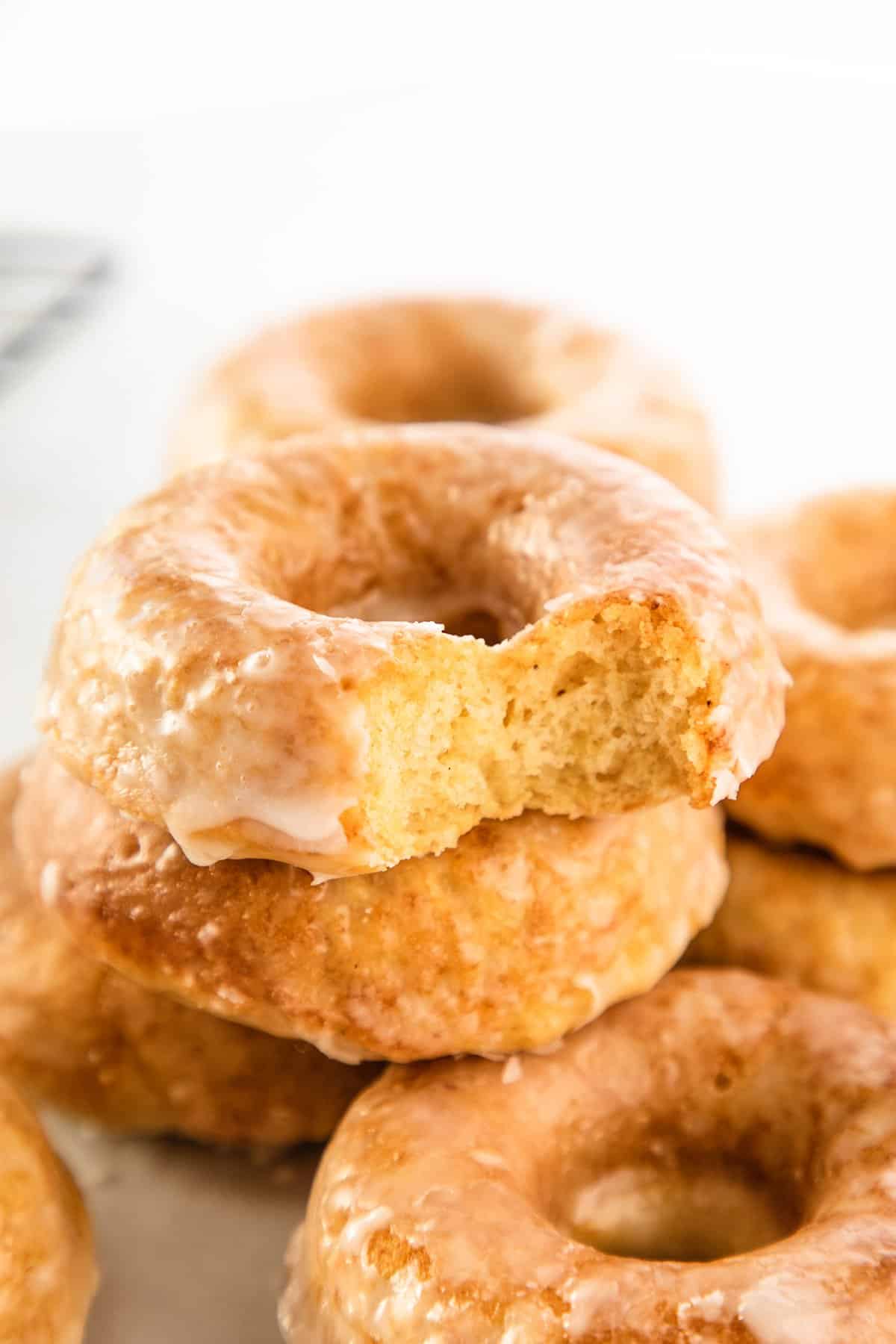
The Irresistible Allure of Classic Glazed Cake Donuts
There are few culinary delights that evoke such a powerful sense of comfort and nostalgia as a warm, freshly made donut. Among the pantheon of beloved pastries, the
old fashioned glazed cake donut holds a special place, distinguished by its unique texture and an unparalleled flavor profile that harks back to simpler times and bustling neighborhood bakeries. Imagine the enticing aroma wafting through your kitchen, a promise of golden-brown perfection waiting to be savored. This isn't just about a sweet treat; it's about recreating cherished memories and bringing that coveted bakery taste right into your home.
These beauties offer a perfect dichotomy: a wonderfully crispy exterior that gives way to a tender, slightly crumbly cakey interior. Each bite is a symphony of textures, coated in a glistening, sweet glaze that truly shines. Whether you pair them with your morning coffee, serve them at a relaxed brunch, or enjoy them as an afternoon pick-me-up, old-fashioned glazed cake donuts are an undisputed crowd-pleaser. The surprising truth is, achieving this level of delightful indulgence in your own kitchen is far simpler than you might imagine.
The Magic Ingredients: Nutmeg, Buttermilk, and Vanilla
What truly elevates an ordinary donut to the status of a classic old-fashioned glazed cake donut is a specific blend of core ingredients, each playing a vital role in crafting that signature bakery taste. These aren't just additives; they are flavor architects, working in harmony to create an unforgettable experience.
*
Nutmeg: The Soulful Spice
Nutmeg is arguably the most crucial spice in an old-fashioned cake donut. Its warm, slightly sweet, and peppery notes are instantly recognizable and deeply comforting. It provides that quintessential "bakery" aroma and taste that transports you to a bygone era. A fresh grating of nutmeg offers a far superior depth of flavor compared to pre-ground versions, subtly enhancing the donut without overpowering the other delicate notes. It's the spice that truly defines the "old-fashioned" character.
*
Buttermilk: The Tenderizing Secret
Buttermilk is a game-changer for the texture of these donuts. Its inherent acidity reacts with leavening agents like baking soda, creating a lighter, more tender crumb. Beyond its leavening properties, buttermilk also imparts a subtle tang that balances the sweetness of the donut and glaze, adding a layer of complexity and moisture that prevents the cake from being dry. If you don't have buttermilk on hand, a simple homemade substitute of milk and a touch of lemon juice or vinegar can work in a pinch, though the authentic flavor profile is best achieved with genuine buttermilk.
*
Vanilla: The Universal Enhancer
Classic vanilla extract acts as the perfect supporting act, tying all the flavors together. It rounds out the sweetness, amplifies the spice of the nutmeg, and complements the tang of the buttermilk. High-quality vanilla extract is paramount here, as its pure, aromatic essence elevates the entire donut, ensuring a well-balanced and incredibly satisfying taste. Together, these three ingredients form the cornerstone of that beloved, nostalgic flavor profile that makes old-fashioned glazed cake donuts so special.
Cake Donut vs. Yeast Donut: Understanding the Delicious Difference
While both cake and yeast donuts bring joy to countless palates, they are fundamentally distinct in their composition, texture, and preparation. Understanding these differences is key to appreciating the unique charm of the
old fashioned glazed cake donut.
*
Yeast Donuts: Light, Airy, and Chewy
Yeast donuts, as their name suggests, rely on yeast as their primary leavening agent. This requires a dough that needs time to rise, often twice, before being rolled out, cut, and typically fried. The result is a donut that is characteristically light, airy, and chewy, with a slightly bread-like texture. Think of classic ring donuts or filled Bismarcks – their elasticity and delicate structure are hallmarks of yeast fermentation.
*
Cake Donuts: Dense, Tender, and Crumbly
In contrast, cake donuts are made from a batter, much like a cake or muffin, utilizing chemical leavening agents such as baking powder or baking soda (or a combination). This means no long proofing times; the batter is mixed, formed, and cooked relatively quickly. The defining characteristic of a cake donut is its dense, tender, and slightly crumbly crumb, reminiscent of a rich pound cake. When fried, they often develop a delightful "craggy" exterior, which is fantastic for holding onto more of that luscious glaze. The process for making these
Homemade Old-Fashioned Glazed Cake Donuts: Bakery Comfort is considerably quicker, making them an excellent choice for a spontaneous baking craving. Our focus here is squarely on these comforting, cake-like delights.
Crafting Your Own Bakery-Style Old-Fashioned Glazed Cake Donuts at Home
Embarking on the journey of making your own
old fashioned glazed cake donuts is a deeply rewarding experience. The process is straightforward, and the end result far surpasses any store-bought alternative.
1.
Mixing the Batter
The foundation of your donuts is a well-balanced batter. Begin by combining your dry ingredients—flour, sugar, baking powder, baking soda, salt, and, of course, freshly grated nutmeg. In a separate bowl, whisk together your wet ingredients: buttermilk, eggs, and vanilla extract. Gently combine the wet and dry ingredients, being careful not to overmix. Overmixing develops gluten, which can lead to a tougher donut. A slightly lumpy batter is perfectly fine and often preferred for a tender crumb.
2.
Forming the Donuts
For classic ring donuts, the simplest method is to gently roll out the dough to about a half-inch thickness and use a donut cutter. If you don't have a specific donut cutter, you can use two concentric cookie cutters (one larger for the outer ring, one smaller for the hole). The scraps can be gently re-rolled once or twice, or even fried as delicious donut holes!
3.
Cooking Methods: Frying for Authenticity
While cake donuts can be baked for a slightly healthier option, the true old-fashioned experience comes from frying. This is where that crispy exterior and tender interior truly develop.
*
Frying: Heat vegetable oil or shortening in a large, heavy-bottomed pot or Dutch oven to a consistent temperature, typically between 350-375°F (175-190°C). Maintaining this temperature is crucial; too low, and your donuts will be greasy; too high, and they'll brown too quickly on the outside, leaving the inside raw. Fry a few donuts at a time, flipping them once until they're golden brown on both sides. Transfer them to a wire rack set over paper towels to drain excess oil.
4.
The Sweet Glaze
The glaze is wonderfully simple but essential. A basic mixture of powdered sugar, a touch of milk (or buttermilk for extra tang), and vanilla extract creates a silky, sweet coating. The consistency should be thick enough to coat but thin enough to drip slightly. Whisk until smooth, ensuring no lumps remain.
Tips for Achieving That Perfect Craggy Exterior and Glaze
The signature look and feel of a classic
old fashioned glazed cake donut go beyond just flavor; it's about that distinctive, craggy texture that holds the glaze so beautifully.
*
Embrace the Craggy Edges
One of the secrets to those characteristic craggy edges, as shared by an old family recipe, involves a specific technique before frying. After cutting your donut rings, make small, shallow triangular notches or incisions around the outer edge of each donut. These little cuts expand during frying, creating more surface area and those beloved uneven, rustic edges that are synonymous with old-fashioned donuts. This method ensures that every nook and cranny is ready to embrace the glaze, delivering maximum flavor and visual appeal. For a deeper dive into this technique, check out the
Secret to Craggy Glaze: Perfect Old-Fashioned Cake Donuts Recipe.
*
Optimal Glaze Adhesion
Timing is everything when it comes to glazing. Dip your donuts while they are still warm, but not piping hot. If they're too hot, the glaze will melt and run off; if they're too cool, it won't adhere as well. A warm donut will absorb a bit of the glaze, creating a more cohesive bond and a beautiful sheen. For an extra-thick, luscious coating, don't hesitate to double-dip! Just let the first layer set for a minute or two before giving it a second dunk. The craggy edges created by the notching technique are particularly effective here, as they provide more surface area for the glaze to cling to, resulting in a perfectly sweet and textural experience with every bite.
Conclusion
There's an undeniable magic in creating something truly classic from scratch, and the
old fashioned glazed cake donut is a prime example. From the warming notes of nutmeg and the tenderizing touch of buttermilk to that irresistible sweet glaze, every element contributes to a deeply satisfying treat. By understanding the distinct nature of cake donuts and employing simple techniques like creating craggy edges, you can effortlessly replicate that beloved bakery taste in your own kitchen. So, gather your ingredients, savor the process, and prepare to delight in the timeless comfort of these exquisite homemade donuts. They're more than just a pastry; they're a piece of culinary history, waiting to be enjoyed with every tender, glazed bite.